
Selecting the right Cylinder Boring Machine in 2026 requires more than comparing prices or motor power. Engine builders must match machine design with bore diameter, cylinder length, block material, production volume, and required accuracy. A machine that performs well on cast iron may not suit aluminum blocks without careful tooling and speed control. Practical experience matters here.
No single list is perfect. Machine categories often overlap. Horizontal boring machines remain valuable for stable, repeatable engine-block work. Vertical boring machines can simplify access when heavy components need secure positioning. Portable boring machines support field repairs, especially where transporting large blocks is impractical. Line boring systems address main-bearing alignment and demand precise setup. CNC boring machines offer programmable control, consistent feeds, and reduced operator variation.
Small details decide results. A rigid cutting bar helps prevent chatter. Adjustable spindle speeds support different materials and cutter sizes. Digital readouts make depth checks easier. Coolant flow protects cutting edges and improves surface finish. Experienced operators also inspect clamping pressure, alignment, and tool wear before cutting. They do not trust the display alone.
That distinction is easy to miss.
The most advanced machine may still disappoint when fixtures are weak or measurements are rushed. Buyers should review manufacturer specifications, service support, replacement tooling, training, and verified tolerance data. Independent reviews can help, but workshop conditions remain decisive. This guide examines the leading 2026 Cylinder Boring Machine types, their practical strengths, limitations, and ideal applications. It also questions common assumptions, because higher automation does not always mean better value.
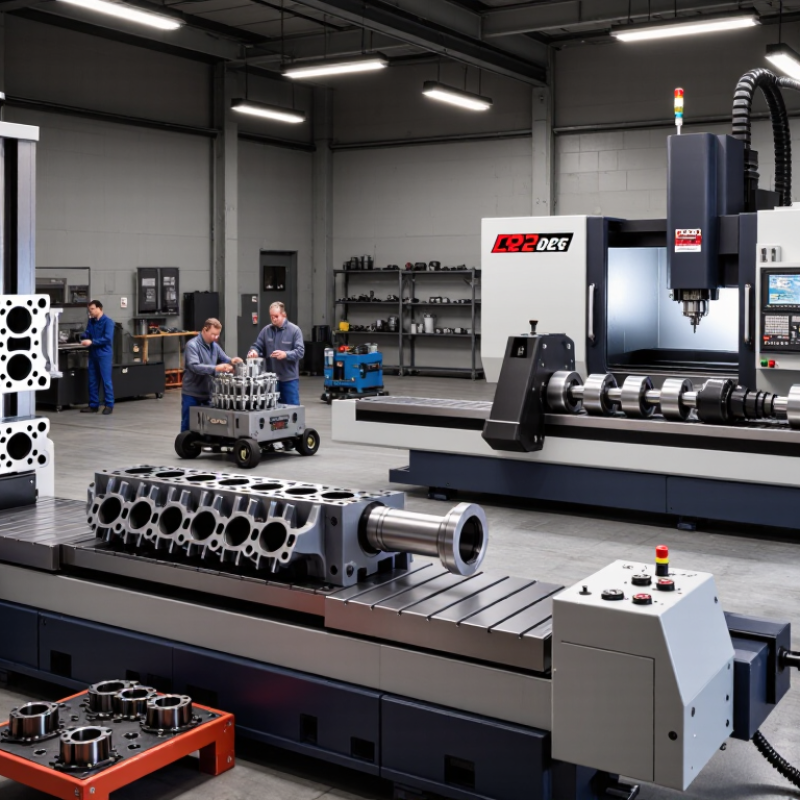
Cylinder boring machines are precision tools used to restore worn, distorted, or damaged engine cylinders. Their main purpose is not simply enlarging a bore. The machine removes a controlled layer of metal and creates a true cylindrical path for the piston. A rigid fixture holds the engine block, while a rotating boring bar follows a measured axis. The cutting tool moves through the cylinder with controlled feed and speed. Technicians then verify diameter, taper, and out-of-round conditions with bore gauges.
The main 2026 machine types include portable boring machines, vertical boring machines, and CNC cylinder boring systems. Portable units suit field repairs and smaller workshops. Vertical machines offer stronger alignment for heavy engine blocks. CNC models improve repeatability when several cylinders require identical dimensions.
Grand View Research valued the global automotive aftermarket at approximately USD 468.9 billion in 2023, with continued growth projected through 2030. This expansion supports demand for accurate rebuilding equipment, although market size does not guarantee workshop profitability.
A clean cut can still hide poor alignment. That matters. Experienced technicians check deck surfaces, fixture stability, coolant flow, and final clearance before assembly. A 0.01 mm error may affect sealing, oil control, and piston movement.
The U.S. National Institute for Occupational Safety and Health also emphasizes machine guarding and exposure control during metalworking operations. Safe operation remains part of professional quality, not an optional extra.
Cylinder boring machines in 2026 serve workshops with very different repair demands. The main types include vertical, horizontal, portable, and CNC-controlled machines. Each design handles specific engine sizes, access conditions, and accuracy requirements.
Vertical cylinder boring machines remain common in professional engine workshops. Their rigid structure supports accurate cutting on engine blocks and heavy components. Operators can adjust boring bars for different cylinder diameters. These machines suit repeated work, especially when stable alignment matters.
Horizontal boring machines offer another practical arrangement. They often provide better access for long or unusually shaped components. Their layout can also simplify fixture positioning during demanding repairs.
Portable cylinder boring machines are useful when moving a heavy engine is difficult. Mechanics can secure the unit directly over the cylinder deck. This reduces handling time and may lower workshop disruption. However, setup quality becomes critical. A small alignment error can affect the entire bore.
CNC boring machines add programmable control and repeatable cutting operations. They can store dimensions, control feed rates, and reduce manual adjustments. This helps production workshops maintain consistent results across multiple blocks.
Not every workshop needs CNC control. That assumption can increase costs without improving every job. I have found that simpler machines sometimes provide better feedback during unusual repairs. Tool sharpness, fixture stability, and measurement habits still influence the final result. Machine capability matters, but operator judgment matters too. Some jobs remain difficult.
Choosing a cylinder boring machine in 2026 depends on the bore, workflow, and acceptable variation. Manual machines suit repair shops handling occasional blocks and moderate diameter changes. Operators control feed and alignment directly, so skill strongly affects accuracy. Portable boring units reach installed engines or large housings that cannot move easily. They save dismantling time, but setup errors can follow the machine to every cut. That tradeoff matters.
CNC boring machines deliver repeatable feeds, digital positioning, and tighter process control. They fit production lines where several cylinders require matching dimensions. Vertical designs often support heavy blocks and stable clamping. Horizontal machines can accommodate long components and provide flexible access. Capacity is not only diameter. Stroke length, table load, spindle travel, and fixture space also limit practical work. An oversized machine may look impressive, yet waste floor space and energy.
Automation changes the operator’s role rather than removing it. Automatic measurement, tool compensation, and programmable feeds reduce routine adjustments. However, sensors need calibration, clean surfaces, and sensible inspection intervals. In real workshops, dust, worn fixtures, and rushed centering still create defects. I have seen accurate equipment produce poor bores after one overlooked alignment check. That lesson is easy to dismiss. For engine rebuilding, marine maintenance, agricultural repair, and industrial remanufacturing, application should guide the choice. Ask how often tolerances are verified, not merely advertised.
A workshop usually chooses among vertical, horizontal, CNC, and portable cylinder boring machines. Vertical models suit engine blocks held firmly on a machining table. Horizontal machines offer better access to long or oversized components. CNC systems improve repeatability when repair volumes are high. Portable boring equipment helps with field repairs, but setup accuracy becomes more demanding.
Start with the engine sizes you actually receive. Measure the smallest and largest cylinder diameters, block height, and required boring depth. A 2024 Grand View Research report estimates the global machine tools market will grow steadily through 2030, driven partly by automation and replacement demand. That trend does not mean every workshop needs CNC equipment. Sometimes, a rigid manual machine with accurate measuring tools delivers better value.
Check spindle rigidity, table travel, fixture quality, and boring-bar adjustment range. Ask whether the machine can hold alignment within your normal repair tolerance. Also inspect service access, tooling availability, power requirements, and operator training needs. The 2024 Auto Care Association industry report places the U.S. automotive aftermarket above 500 billion dollars in annual economic activity, showing strong repair demand. Yet demand alone cannot justify an oversized machine.
Be realistic.
A busy rebuilding shop may need CNC control and automatic feed. A smaller workshop may prefer a vertical machine with dependable calibration. I would not ignore noise, floor loading, or coolant cleanup. Those details are easy to overlook, and expensive to correct later.
In 2026, cylinder boring shops are choosing vertical, horizontal, and CNC-controlled boring machines for different repair demands. Vertical machines suit heavy blocks and stable setups, while horizontal designs improve access to long or awkward cylinders. CNC systems add repeatable feeds, digital measurement, and automatic compensation, but skilled operators still verify every bore.
Maintenance decides accuracy. Clean the spindle, inspect cutting tools, and check coolant flow before each shift. Measure runout and table alignment on a fixed schedule, not only after defects appear. Small chips can change a finished diameter. Safety depends on disciplined preparation, not machine size. Secure the engine block firmly, isolate power during servicing, and use eye protection near rotating tools. Operators should confirm clamping pressure, tool clearance, and emergency-stop response before cutting begins. Poor lighting is often overlooked.
Future systems will combine laser probing, connected maintenance alerts, adaptive cutting, and energy monitoring. These features may reduce waste, yet bad data can produce confident errors. That risk deserves more attention. Tips: Keep a calibration log with bore size, tool condition, coolant status, and operator notes. Replace worn tooling early; waiting for a visible defect is expensive. Review the log monthly with a qualified technician. Even experienced teams miss patterns.
Typical maximum bore capacities vary by machine design. Portable and line-boring systems support larger or on-site work, while manual and CNC cylinder boring machines are commonly used for controlled engine-block machining. Actual capacity depends on tooling, spindle travel, material, and manufacturer specifications.
Safe operation requires secure workholding, correct cutting-tool setup, guarding, coolant management, chip removal, and regular inspection of spindle alignment and tooling. Future developments are expected to emphasize CNC automation, digital measurement, condition monitoring, and more efficient coolant and chip-control systems.

We have over 30 years of experience in designing complete hydraulic systems, repairs and distribution of fluid power equipment and parts.
FOLLOW US ON :
Address:
4020 SE 45th CT.
Ocala, FL 34480
Phone No:
Email:
sales@cunninghamfluidpower.com