
How to Choose the Right Hydraulic Pumps in 2026

Choosing the right Hydraulic Pumps in 2026 requires more than comparing flow rates and purchase prices. A pump is the working heart of a hydraulic system, moving fluid through valves, cylinders, motors, filters, and hoses. The wrong choice may create heat, noise, pressure loss, or premature wear. Even experienced engineers sometimes select a pump from a familiar catalog without checking the complete duty cycle.

This guide examines the practical decisions behind a dependable selection. It considers pressure requirements, flow demand, displacement, speed, efficiency, fluid viscosity, control methods, and installation conditions. A pump running at 250 bar for several hours needs different protection than one operating intermittently at 100 bar. Temperature matters too. A cold morning can thicken fluid, while a hot enclosure can shorten seal life. Small details become expensive problems.

Reliable selection begins with verified data. Review the manufacturer’s performance curves, allowable speed range, noise ratings, and service recommendations. Confirm compatibility with the specified hydraulic fluid. Check the reservoir, filtration, drive motor, and relief settings as one system. Standards and qualified technicians can support sound decisions, but they cannot replace site measurements.

There is no universal best pump.

A cheaper unit may consume more energy over time. A highly efficient model may need stricter maintenance. This guide leaves room for that uncomfortable reality. Real installations are rarely perfect. By combining engineering evidence, field experience, and honest lifecycle analysis, buyers can choose Hydraulic Pumps that perform reliably in demanding 2026 applications.
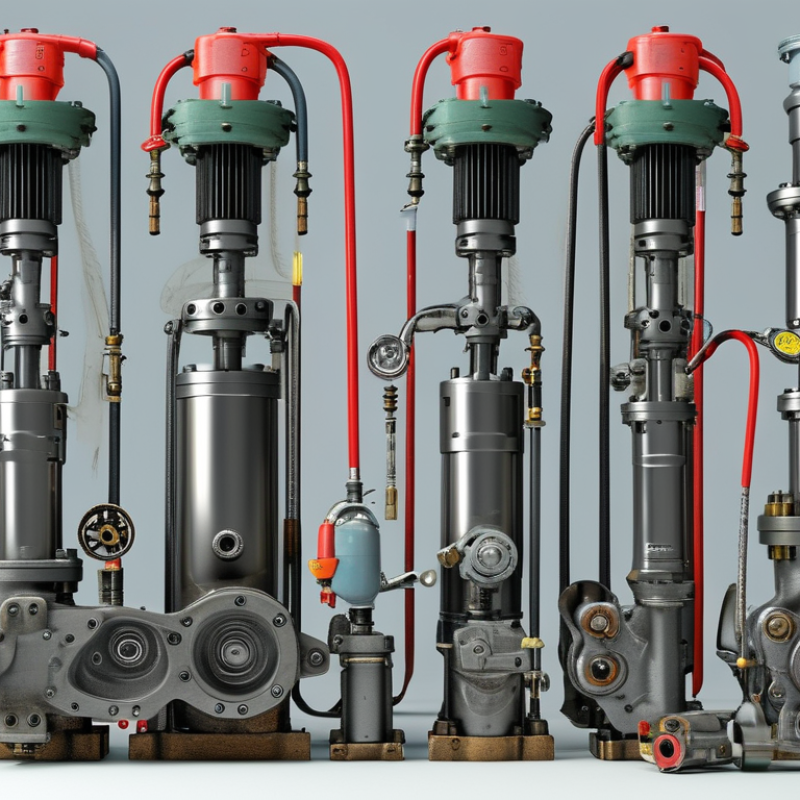
How to Choose the Right Hydraulic Pumps in 2026

Understanding Hydraulic Pump Types and Their Core Applications

Choosing a hydraulic pump starts with the work cycle, not the catalog page. Gear pumps suit simple, steady-duty systems, such as forklifts and agricultural attachments. They tolerate contamination better, but usually create more noise and fixed flow. Vane pumps deliver smoother flow for machine tools and material-handling equipment. Piston pumps handle high pressure and variable demand in excavators, presses, and injection machinery. They cost more and need cleaner fluid. Small details matter. A cold morning can expose poor viscosity choices.

MarketsandMarkets reports that the hydraulic pumps market could grow from about USD 10.4 billion in 2023 to USD 13.8 billion by 2028. Its forecast indicates a 5.8% compound annual growth rate. This expansion reflects construction, manufacturing, and mobile equipment demand. Yet market growth does not justify oversizing a pump. Oversizing often increases heat, energy use, and valve stress. The U.S. Department of Energy identifies efficient motor-driven systems as a major industrial energy opportunity, although pump efficiency depends on the complete circuit. The pump alone is not the answer.

When selecting a unit, compare required flow, peak pressure, displacement, duty cycle, and control method. For a compact press, a pressure-compensated piston pump may reduce wasted flow. For a basic lift table, a gear pump can be more practical. Check suction conditions carefully. Cavitation sounds like gravel inside the housing. I have seen specifications focus on maximum pressure while ignoring return-line restrictions. That shortcut can mislead. Report data supports demand, but site measurements should decide the final pump.

Matching Pump Specifications to System Pressure, Flow, and Fluid Needs

Choosing the right hydraulic pump begins with measured system demands, not a catalog headline. Record working pressure, peak pressure, required flow, operating temperature, and duty cycle. Pressure is not the whole story. A pump must deliver stable flow while the actuator moves under real load.

I have seen systems fail because engineers matched maximum pressure but ignored speed. Calculate flow from cylinder area, stroke speed, and expected leakage. Then compare that result with the pump’s rated displacement and drive speed. Leave practical capacity margin, but avoid excessive oversizing. It can increase heat, energy use, and control difficulty. Measure under load.

Fluid selection needs equal attention. Check viscosity at the coldest start and hottest operating point. A fluid that seems suitable at room temperature may become too thin near a hot power unit. Confirm seal and housing compatibility, especially with fire-resistant or biodegradable fluids. Cleanliness matters too. Fine contamination can damage close-clearance components before symptoms become obvious.

Use a pressure gauge near the pump outlet and a flow meter during commissioning. Compare readings with the design values, then inspect pressure drop across filters and valves. Relief settings should protect the system without masking a faulty actuator or blocked line. My early estimates have sometimes been too optimistic, especially when temperature changed throughout a shift. Field measurements should challenge the calculation, not merely confirm it.

Evaluating Efficiency, Reliability, and Control Options

How to Choose the Right Hydraulic Pumps in 2026

Evaluating Efficiency, Reliability, and Control Options

Choosing the right hydraulic pump in 2026 starts with the machine’s actual duty cycle, not a catalog rating. Efficiency depends on pressure, flow, speed, and idle time. A pump sized for peak demand may waste energy during long, low-load periods. Measure operating data with pressure and flow sensors. Check reservoir temperature, too. Heat often reveals losses that calculations miss. Field testing can reveal a useful compromise. A slightly smaller variable-displacement pump may reduce throttling losses. It works only when control settings are tuned carefully.

Reliability requires more than a strong housing. Review bearing loads, contamination tolerance, shaft alignment, and start-stop frequency. Clean fluid matters. So does filtration. Request life data tested under conditions close to yours, rather than relying only on laboratory figures. During commissioning, inspect noise, vibration, and case-drain flow. A quiet first week proves little. Maintenance access also affects reliability. If technicians cannot reach filters or test ports safely, service intervals may extend beyond the plan.

Control options should match the operator’s needs and the machine’s response time. Load-sensing control can reduce unnecessary flow. Electronic displacement control supports closer coordination with sensors and automation. Confirm fail-safe behavior after power loss or sensor faults. Slow response can cause pressure spikes. Commissioning teams often find that copied control maps underperform on different machines. Record pressures, temperatures, delays, and unusual sounds. Leave room for revision. The first setting is rarely perfect.

Checking Installation Requirements, Maintenance, and Total Ownership Costs

How to Choose the Right Hydraulic Pumps in 2026

Checking Installation Requirements, Maintenance, and Total Ownership Costs

A suitable hydraulic pump must fit the machine, not just the flow chart. Check required flow, pressure, fluid type, shaft alignment, and available mounting space. Measure twice. A pump may meet pressure demands but still fail because the reservoir is too small. Confirm inlet pipe diameter and keep suction lines short. Poor inlet design can cause noise, vibration, and premature wear. One recurring field lesson is simple: installation errors often look like pump defects.

Maintenance planning should begin before commissioning. Record operating pressure, fluid temperature, filter condition, and unusual sounds during the first week. Replace contaminated fluid quickly, but investigate why contamination occurred. Otherwise, the same failure may return. Schedule inspections around actual duty cycles, not convenient calendar dates. High-load equipment needs closer checks. Costs include energy use, replacement seals, downtime, labor, and disposal. A cheaper pump can become expensive when access is difficult or spare parts take weeks to arrive. Total ownership estimates should cover at least several operating years.

Tips: Leave room around the pump for inspection and removal. Use clean hoses and sealed containers during fluid handling. Keep a written service log. Review it before changing pump size. This step is easy to skip. It can prevent a costly assumption. Expect your first estimate to be imperfect; real operating data should refine it.

Selecting the Best Hydraulic Pump for Your 2026 Project

Selecting the Best Hydraulic Pump for Your 2026 Project

Choosing a hydraulic pump starts with the machine’s real workload, not its catalog rating. Record required flow, operating pressure, speed, duty cycle, and fluid temperature. A pump rated for 250 bar may perform poorly if it runs near that limit continuously. Leave a practical safety margin. I have seen projects fail because designers sized for peak pressure while ignoring long operating hours. The pump survived testing, but heat damaged nearby seals.

Match the pump type to the movement you need. Gear pumps suit simple, cost-sensitive systems with steady flow. Vane pumps can provide quieter operation. Piston pumps support higher pressure and variable displacement, but they demand cleaner fluid and more careful maintenance. Check shaft loading, mounting space, inlet conditions, and control compatibility. Small details matter. Also calculate efficiency losses. A theoretically efficient pump may waste energy when poorly matched to the motor or valve network.

Tips: Measure the reservoir temperature after a full operating cycle. Inspect the filter rating and contamination-control plan before choosing a pump. Ask for verified performance data, not only promotional figures. Test the selected unit under realistic load, noise, and startup conditions. If your assumptions feel too neat, challenge them. Real machines rarely behave perfectly.

Share by: