2026 How to Choose the Best Screw Fasteners for Your Needs?
Choosing the right screw fasteners is crucial for any project. Whether you're assembling furniture, conducting repairs, or building something from scratch, the type of screw you select can significantly impact durability and success. Understanding your needs is the first step.
Screw fasteners come in various sizes, materials, and designs. Each option has unique benefits and applications. For instance, stainless steel screws resist corrosion, while wood screws have specialized threads for better grip. Without proper knowledge, you may choose the wrong type, leading to failures or safety hazards.
Consider the specific requirements of your project. Reflect on factors such as weight, environment, and materials you're working with. Even small mistakes can lead to costly errors. So, it’s essential to make informed choices. The right screw fasteners elevate the efficiency and strength of your work, ensuring a solid foundation for your endeavors.
Understanding Different Types of Screw Fasteners Available in the Market
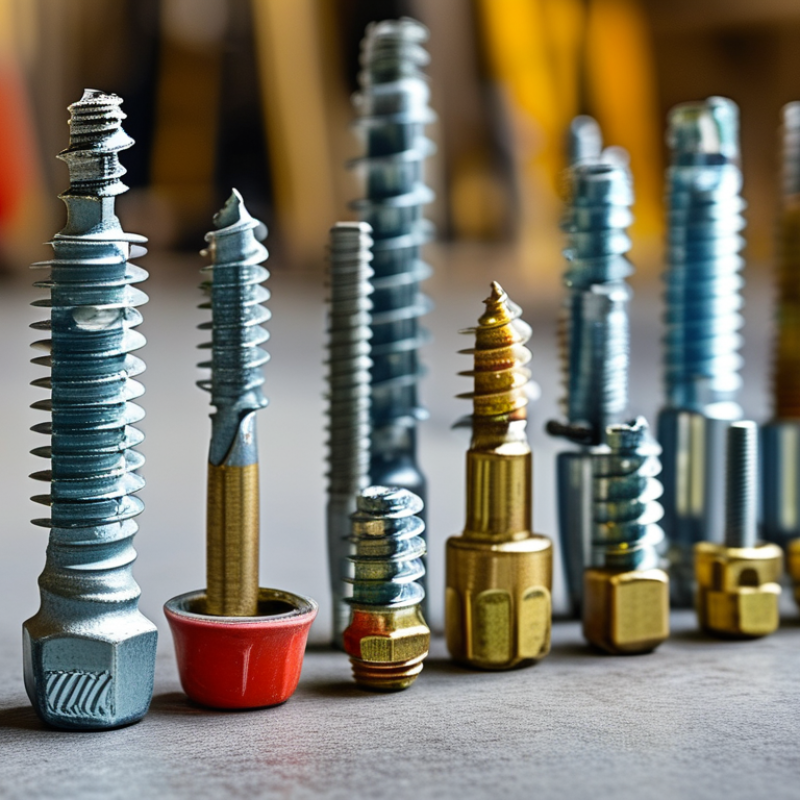
When it comes to selecting screw fasteners, understanding the various types available is crucial. According to a report by MarketsandMarkets, the global screw fastener market is projected to reach $19 billion by 2025, driven by increasing demand in construction and automotive industries. Different types serve unique purposes. For instance, wood screws feature coarse threads for better grip in wood, while machine screws are typically used with nuts and bolts in metal applications.
Each type of screw fastener is designed for specific materials and environments. Self-tapping screws can create their own hole, saving time on pre-drilling. Conversely, drywall screws are designed to secure drywall to wood or metal studs. The choice often depends on the load they will bear and the environment they are exposed to. Understanding these differences is vital, as improper selection can lead to structural failures.
Moreover, the materials used in screw fasteners, such as stainless steel or zinc-plated substrates, also affect performance. A study from Smithers Pira notes that corrosion resistance is a growing concern, with many opting for coated options to enhance longevity. A well-informed choice can significantly impact the durability and safety of your projects, making it essential to consider all factors involved.
Factors to Consider When Selecting Screw Fasteners for Specific Applications
When selecting screw fasteners for specific applications, several factors come into play. The first consideration is the material of the fastener. Different materials, like stainless steel or brass, offer varying levels of corrosion resistance and strength. For outdoor projects, option for screws designed to withstand weather exposure is crucial. It helps to think about the environment the fasteners will endure over time.
Next is the thread type. Coarse threads are often better for softer materials, while fine threads can provide a stronger hold in harder surfaces. Choosing the right type impacts the overall integrity of the assembly. Don't forget to consider the screw head design as well. A proper choice can enhance the ease of driving the screw and influence the aesthetic of the finished product.
Finally, the correct length and diameter matter significantly. They affect the load-bearing capability and fitting. Often, users overlook calculation of the depth required. This oversight can lead to inadequate fastening. Balancing these aspects can be challenging, yet it's essential for achieving secure and reliable connections in your specific applications. Each project will teach you something new about these requirements and how they affect overall performance.
Material Choices for Screw Fasteners: Pros and Cons Explained
When selecting screw fasteners, material choice significantly impacts performance. Common materials include steel, stainless steel, brass, and plastic. Each has unique advantages and disadvantages. Steel is strong and affordable. However, it may rust if not treated properly. Stainless steel resists corrosion but can be more expensive. Consider the environment where the fasteners will be used.
Brass fasteners offer good conductivity and a pleasing finish. Yet, they may not be as strong as steel options. Plastic screws are lightweight and resistant to corrosion, making them ideal for specific applications. They are less durable and may not hold up under heavy loads. Understanding these properties is crucial in making an informed choice.
Balancing your needs against material characteristics can be challenging. Ensure you consider the specific requirements of your project. Reflect on the environment and load expectations. Small decisions can lead to big consequences, so take your time. Ultimately, informed choices lead to better results and long-lasting projects.
Assessing Load Capacity and Strength Requirements for Screws
Choosing the right screw fasteners requires careful consideration of load capacity and strength. Understanding these factors is crucial in ensuring safety and durability. For instance, the load capacity refers to the maximum weight a screw can hold without failing. If the load exceeds this limit, the screw may strip or break. This risk can lead to structural failures.
When assessing the strength of screws, we need to consider materials and design. Screws made from different materials will have varied strength levels. Steel screws may offer better tensile strength than plastic ones. However, if your project involves exposure to moisture, corrosion-resistant screws are essential. It's a balancing act of material choice and application requirements.
Failing to properly evaluate load capacity can lead to serious issues. Overestimating a screw's strength can result in accidents. It's a mistake to ignore the manufacturer's specifications and guidelines. Always verify the load ratings, especially in high-stress environments. Doing so helps in making informed decisions for construction projects.
Best Practices for Installation and Maintenance of Screw Fasteners
When working with screw fasteners, proper installation is crucial for longevity and effectiveness. Begin by selecting appropriate screws for your material. This choice affects the joint's strength. Ensure the threads match the material density. Using the wrong type can lead to stripped holes or weak connections.
During installation, apply consistent pressure. Over-torquing can cause damage to both the screw and the material. Use a torque wrench for precision. It's also vital to pre-drill pilot holes when working with harder materials. This will help prevent splitting and create a secure anchor for your fasteners.
Maintenance of screw fasteners is equally important. Regularly check for signs of wear or corrosion. Rust can weaken the entire assembly. In humid environments, consider using corrosion-resistant coatings. Keep an eye on the joint’s integrity over time. If you notice any loosening, re-tighten the screws to maintain stability. Adjusting for wear and tear can significantly prolong the lifespan of your projects.