

Choosing the right Tarpaulin Sheets is more than comparing price, color, and advertised thickness. A sheet covering a cement mixer faces different demands from one protecting hay, firewood, or outdoor furniture. Sunlight, wind, abrasion, moisture, and repeated folding can slowly expose weak materials.
Industry reports support this practical view. Grand View Research identifies construction, agriculture, transport, and storage as important applications for flexible industrial fabrics. Future Market Insights also highlights waterproofing, tear resistance, and lightweight handling as major market priorities. These findings matter because performance depends on the working environment, not only on a product label. A “heavy-duty” claim can still disappoint when the fabric has poor UV protection or weak eyelets.
Dr. Behnam Pourdeyhimi, a widely recognized textile materials expert, emphasizes a useful selection principle: “Performance begins with matching the material to the application.” That advice deserves attention. Polyethylene sheets are often economical and easy to handle. PVC-coated fabrics usually offer stronger durability and better resistance for demanding use. However, neither option is perfect. A thicker sheet may become difficult to fold. A low-cost sheet may crack after several seasons. I have seen buyers focus on GSM while ignoring seam quality, coating consistency, and grommet spacing. That is an avoidable mistake.
This guide explains how to compare Tarpaulin Sheets through material, size, weight, waterproofing, UV stability, edge construction, and expected service life. It also considers storage conditions and maintenance. The best choice is not always the thickest sheet. It is the sheet that fits the job.
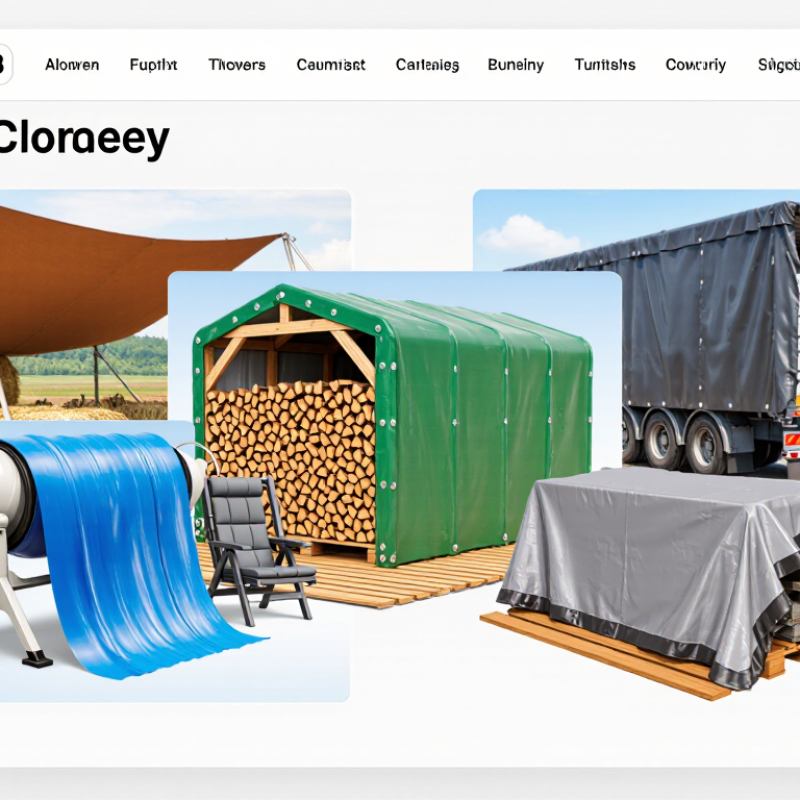
Choosing the best tarpaulin sheet starts with the application, not the color or price. GSM means grams per square meter and indicates fabric weight. A 60–120 GSM sheet suits temporary covers, light dust protection, and indoor use. It folds easily but may tear under strong wind.
For garden equipment, firewood, small vehicles, or seasonal outdoor storage, consider 150–300 GSM. These sheets offer better handling and improved resistance to rain and sunlight. Construction areas, truck covers, and frequent outdoor use often need 400–600 GSM tarpaulin. For demanding conditions, 700–900 GSM provides greater tear resistance and stability, although it is heavier and harder to install. Weight alone is not the whole answer. Coating quality, weave strength, reinforced edges, and eyelet spacing also affect service life.
Tips: Measure the coverage area before ordering, then allow extra material for folding and tie-downs. Check whether the sheet needs UV protection, waterproof coating, or flame resistance. A lightweight sheet can fail when wind acts like a sail. I have also seen users choose very heavy tarpaulin for simple covers, creating unnecessary handling problems. That choice is understandable, but not always practical. Select the lowest GSM that safely meets the exposure, load, and expected usage frequency.
Choosing tarpaulin sheets depends on strength, airflow, and exposure. A 2024 Grand View Research market analysis identifies polyethylene as one of the largest material segments. PE sheets are light, waterproof, and affordable. They suit garden covers, temporary shelters, and transport protection. However, thin PE can split around eyelets. I have seen wind turn small cuts into long tears. Reinforced edges and UV treatment matter more than a low price.
PVC-coated fabric offers stronger abrasion resistance and better dimensional stability. ASTM D751 evaluates coated fabrics through tensile, tear, and seam tests. These tests help buyers compare real performance instead of relying on thickness alone. PVC works well for trucks, industrial partitions, and repeated outdoor use. It is heavier, less breathable, and can become hot beneath direct sunlight. Canvas feels different. Its woven structure allows limited airflow and reduces condensation, but untreated canvas absorbs rain. It also needs drying to resist mildew.
Mesh tarpaulin is the ventilation specialist. Its open construction lowers wind pressure and allows air to move through shaded areas. It cannot provide full rain protection. A 2023 report from the U.S. Department of Energy links reduced solar heat gain with better cooling performance in shaded outdoor spaces, which supports mesh use around patios and work areas. Still, mesh strength varies widely. A dense, coated mesh may resist tearing, while a loose weave can fail at a corner. Check denier, tear rating, seam quality, and eyelet spacing. Product labels are sometimes incomplete. That deserves skepticism.
| Material | Typical Basis Weight | Strength & Tear Resistance | Waterproof Performance | Breathability | UV & Weather Resistance | Typical Service Life* | Best-Suited Applications | Main Limitations |
|---|---|---|---|---|---|---|---|---|
| PE (Polyethylene) | Approximately 90–250 g/m² for common woven, laminated sheets | ★★★☆☆ Good strength for general-purpose covering; reinforced hems and woven scrim improve tear resistance. | High when seams, hems, and eyelets are properly sealed; suitable for rain and temporary outdoor protection. | Low Non-perforated PE allows little air or vapor movement. | Moderate to good, depending on UV stabilizers; prolonged sunlight can make untreated material brittle. | About 1–3 years outdoors with suitable UV treatment; shorter in severe sun, wind, or abrasion. | Construction covers, firewood, gardening, camping, temporary storage, and general weather protection. | Can flap and wear under strong wind; lower durability and heat resistance than PVC. |
| PVC (Polyvinyl Chloride) | Approximately 300–900 g/m² for coated fabric tarpaulins | ★★★★★ Very high tensile and tear resistance when supported by a polyester scrim; handles repeated use well. | Very high Coated PVC is highly waterproof when seams are welded or correctly sealed. | Very low Designed primarily as a sealed barrier rather than a breathable cover. | Good to excellent with outdoor-grade formulation; resistance varies with coating and maintenance. | About 5–10 years outdoors, depending on grade, exposure, flexing, and maintenance. | Truck covers, industrial enclosures, large equipment, long-term storage, pools, and demanding outdoor use. | Heavier and less flexible than PE; can become stiff in cold conditions and may cost more. |
| Canvas (Cotton or Polyester Canvas) | Approximately 280–600 g/m², depending on weave and treatment | ★★★★☆ Strong woven structure with good abrasion resistance; performance depends on fiber, weave, and stitching. | Moderate to high when treated Water-resistant rather than permanently waterproof unless specially coated. | High Allows air and some moisture vapor to pass, reducing condensation beneath the cover. | Good for quality outdoor canvas; natural cotton may fade, mildew, or weaken if kept damp. | About 3–7 years outdoors with proper drying, cleaning, and periodic re-treatment. | Breathable equipment covers, agricultural storage, tents, shade structures, and applications where condensation is a concern. | Heavier than lightweight PE; can absorb water, require drying, and develop mildew if stored wet. |
| Mesh (PVC-Coated or HDPE Mesh) | Approximately 100–350 g/m², depending on mesh opening and coating | ★★★☆☆ Good resistance to wind loading and tearing when reinforced; open structure reduces solid-material strength. | Low to none Allows rain and spray to pass through; not intended as a waterproof barrier. | Very high Open construction provides excellent airflow and reduces wind pressure. | Moderate to excellent, depending on fiber, coating, and UV stabilization. | About 2–6 years outdoors, depending on sunlight, wind, abrasion, and mesh quality. | Scaffolding screens, shade covers, privacy barriers, truck side curtains, windbreaks, and debris control. | Cannot protect contents from rain; open edges and loose installation may fray under continuous wind. |
*Service-life figures are typical field estimates, not guarantees. Actual performance depends on fabric weight, coating, UV stabilization, seam construction, installation tension, cleaning, climate, and frequency of handling. For maximum strength and waterproofing, select reinforced edges, corrosion-resistant eyelets, and properly sealed or welded seams.
Choosing a tarpaulin should begin with its waterproofing system, not its advertised thickness. In practical inspections, I check the coating under strong light. A smooth surface should have no pinholes, blisters, or thin patches. PVC, polyurethane, and similar coatings can perform well when properly bonded. However, a heavy coating cannot repair weak fabric or poor manufacturing.
Seams deserve close attention. Water often enters through needle holes, folded edges, or poorly welded overlaps. Run your fingers along every joint. The seam should feel continuous, flexible, and firmly attached. Try bending it repeatedly. If whitening, cracking, or separation appears, the sheet may fail during cold weather or strong tension.
I once rejected a seemingly durable sheet because its corner reinforcement lifted after repeated folding. It looked minor. It was not.
Hydrostatic pressure testing offers a more realistic measure than a simple splash test. This method presses water against the material while technicians monitor leakage over time. A higher hydrostatic rating generally indicates stronger resistance, but testing conditions matter. Temperature, sample preparation, and pressure duration can change results. Ask for test details, not just a number.
For outdoor storage, inspect the sheet after rain, tensioning, and drying cycles. No laboratory result predicts every installation. That limitation deserves attention. A few extra minutes around seams and corners can reveal problems that a clean product label hides.
Choosing the best tarpaulin sheet starts with ultraviolet exposure, not thickness alone. The World Meteorological Organization’s Global Solar UV Index Guide classifies levels 8–10 as very high and 11+ as extreme. At these levels, weak coatings can become brittle, fade, and crack around eyelets. Ask for UV test results, including exposure hours and retained tensile strength. ASTM G154 or ISO 4892-3 testing is more useful than vague claims such as “UV treated.”
Tear strength also needs careful comparison. ASTM D1424 and ISO 13937 use different methods, so values should never be compared blindly. Check tear force in both directions, especially near reinforced hems. A sheet may resist a clean laboratory tear yet fail when wind pulls against a sharp frame. Temperature limits deserve equal attention. Polyethylene, PVC, and coated fabrics behave differently below freezing or beside hot machinery. Request the tested minimum and maximum temperatures, not general marketing ranges. Field reports should include weather duration, loading conditions, and visual damage. Otherwise, the number is incomplete. I would also inspect one sample after several weeks outdoors. Laboratory confidence can be misleading. A thicker sheet is not automatically better.
How to Choose the Best Tarpaulin Sheets?
A tarpaulin should fit the job, not just the package description. Measure the area it must cover, including extra fabric for folding and anchoring. Check both length and width. Some suppliers list finished dimensions, while others include the hem. That difference can reduce usable coverage by several inches. A simple measuring mistake can become expensive.
Inspect the grommet layout carefully. For general outdoor use, 12- to 24-inch spacing offers practical support and helps reduce flapping. Closer spacing suits windy areas or frequent tie-downs. Each grommet should sit inside a reinforced hem, not near a weak edge. Look for evenly set metal rings without sharp burrs. Materials also matter. Polyethylene is lightweight and economical, while PVC-coated fabric usually provides greater abrasion resistance. Ask for clear information about thickness, UV resistance, waterproof performance, tear strength, and applicable material standards. “Heavy duty” alone is not a reliable specification.
Tips: Place the sheet flat before measuring. Count the grommets along every side. Check whether the stated size includes hems. Do not assume a thicker sheet is always better; extra weight can stress anchors and handling points. If technical data is missing, pause before buying. A slightly imperfect choice may still work, but it should be a conscious decision, not an overlooked detail.
Verify the finished dimensions before purchase and check that grommets are spaced consistently. Common spacing options range from 12 to 24 inches, depending on the required tie-down strength and installation conditions.
When comparing materials, review the stated fabric thickness or weight, waterproofing, UV resistance, and reinforced-edge specifications. Grommet spacing should be confirmed in both inches and centimetres to reduce measurement errors.

We have over 30 years of experience in designing complete hydraulic systems, repairs and distribution of fluid power equipment and parts.
FOLLOW US ON :
Address:
4020 SE 45th CT.
Ocala, FL 34480
Phone No:
Email:
sales@cunninghamfluidpower.com