What Is a Rotomolding Chair and What Is It Used For?
A Rotomolding Chair is made by placing plastic powder inside a mold, then heating and rotating it until the material coats the mold’s interior. The result is typically a hollow, one-piece form with rounded edges and no assembled joints. Simple to describe. Harder to judge by appearance alone.
The process belongs to rotational molding, a manufacturing method used for hollow plastic products. The Association of Rotational Molders describes the process as suitable for producing durable, seamless parts in varied shapes. Plastics Europe’s Plastics—The Fast Facts 2023 report estimated global plastics production at 400.3 million tonnes in 2022. That figure covers many applications, not furniture specifically, so it should not be treated as evidence of chair sales. Chair-specific market data is limited.
In practical settings, Rotomolding Chair designs may appear in patios, gardens, cafés, schools, and other shared spaces. Their molded bodies can resist moisture, while their weight and surface finish vary by design and material. A chair beside a pool, for example, faces different demands from one used indoors every day. Check the product’s load rating, stability, UV-resistance claims, and care instructions before choosing. A molded chair is not automatically weatherproof. Quality still depends on material, design, and manufacturing control.
What Defines a Rotomolding Chair?
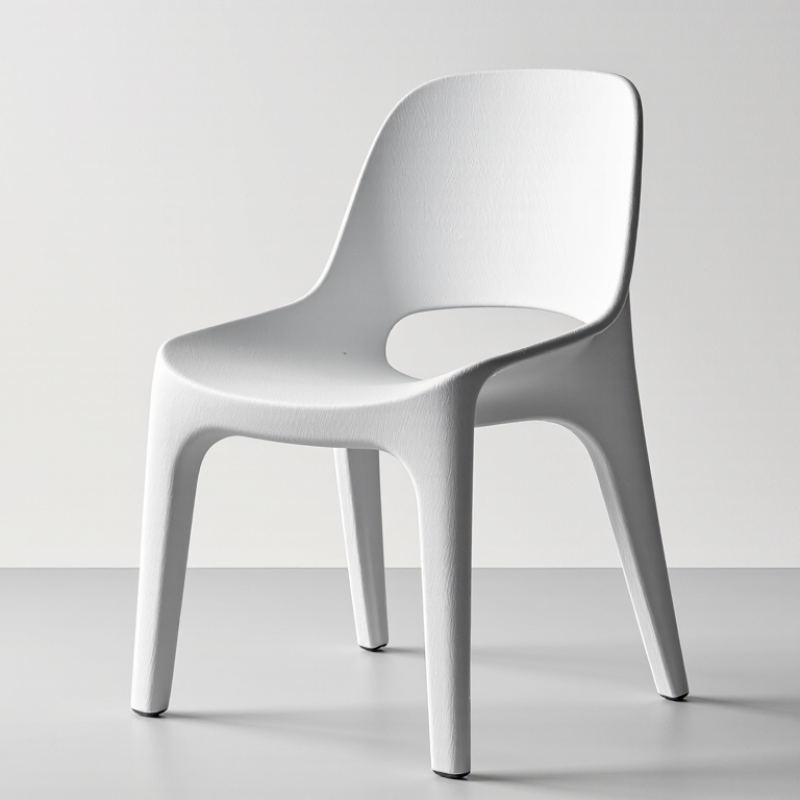
What defines a rotomolding chair? It is made by placing plastic powder inside a hollow mold, then heating and rotating it along two axes. The softened material coats the mold’s inner surface. After cooling, the chair emerges as a largely hollow, one-piece shell. Its shape, wall thickness, and reinforcing ribs are designed into the mold. No high-pressure injection is needed. The result can have rounded edges, broad seats, and smooth surfaces, though quality depends on careful temperature control and even material distribution.
Material choice matters. Polyethylene is commonly used because it can form durable, weather-resistant parts, but not every rotomolded chair has the same strength or UV performance. Check the product’s stated load rating and outdoor-use guidance. PlasticsEurope’s Plastics—The Fast Facts 2024 reports 413.8 million tonnes of plastics were produced worldwide in 2023; this is a broad industry figure, not a measure of chair production. It helps explain why material selection and responsible product design deserve attention. A molded chair may look simple. Its engineering is less so.
Tip: Inspect the underside for ribs, uniform walls, and drainage details. Ask about recycled content and end-of-life options; these can vary, and the answers are not always clear.
How Is a Rotomolding Chair Made?
A rotomolding chair begins as a hollow mold shaped like a seat, back, and legs. Workers load a measured amount of plastic resin into the mold, then seal it. The resin is often a fine powder. It must be distributed evenly, or the finished chair may have thin spots.
The sealed mold rotates slowly on two axes inside a heated oven. As it turns, the resin melts and coats the inner walls. There is no injection pressure forcing plastic into a narrow cavity. Instead, heat and steady rotation build a continuous hollow shell. It takes time. Rotation speed, oven temperature, and heating duration all affect the result, so operators monitor the cycle rather than relying on guesswork.
After heating, the mold moves into a cooling area and keeps rotating while the plastic sets. Cooling too quickly can cause warping; too slowly can hold up production. Once the shell is firm, workers open the mold and remove the chair. They trim excess material, smooth the edges, and inspect the surface and structure. A small flaw near a joint can matter. The process is efficient for durable, rounded designs, though it may not deliver sharp details or perfectly identical finishes every time.
What Is a Rotomolding Chair and What Is It Used For? — How Is a Rotomolding Chair Made?
| Topic | Key Details |
| What it is | A rotomolding chair is a chair made by rotational molding, a process that forms plastic inside a hollow mold as the mold is heated and rotated on multiple axes. |
| Common material | Polyethylene is commonly used for rotationally molded furniture because it can be molded into hollow shapes and is generally resistant to moisture and impact. The exact resin and formulation depend on the product requirements. |
| Typical uses | Rotomolded chairs may be used in homes, patios, gardens, poolside areas, cafés, public spaces, and event venues. Suitability for outdoor or commercial use depends on the chair’s design, material formulation, and testing. |
| Design characteristics | The process can create large, hollow, one-piece forms with curved surfaces. Chairs may include molded seats, backs, arms, or integrated features, depending on the mold design. |
| 1. Prepare the mold | A hollow metal mold is cleaned and prepared. Any planned colorant or additives are measured and combined with the molding-grade plastic, commonly supplied in powder form. |
| 2. Load the material | The measured plastic charge is placed inside the mold. The mold is then closed and secured before entering the heating cycle. |
| 3. Heat and rotate | The closed mold is heated while rotating around two axes. As the plastic softens, it spreads across the inner mold surfaces and gradually forms a continuous hollow shell. |
| 4. Cool the mold | The mold continues rotating as it is cooled, helping the formed plastic retain the shape of the cavity. Cooling may use air, water, or a combination, according to the process setup. |
| 5. Remove and finish | After the plastic has cooled sufficiently, the mold is opened and the chair is removed. Any excess material at the mold seams can be trimmed, and the part is inspected. |
| Quality checks | Checks may include visual inspection for surface defects, verification of dimensions and fit, and testing of stability or load performance against the product’s intended requirements. |
| Practical considerations | Rotomolding can produce complex hollow shapes, but cycle times are typically longer than those of some other plastic-forming methods. Chair weight, comfort, stacking ability, weather resistance, and maintenance vary by design and material. |
Rotomolding is a manufacturing method, not a guarantee of a particular level of strength, comfort, or outdoor durability; these depend on the finished chair’s design, material, and testing.
Which Materials and Designs Are Common?
Rotomolding chairs are commonly made from polyethylene, a plastic powder heated inside a rotating mold. The process forms a hollow, continuous shell, often without seams or separate joints. That can make the chair practical for patios, pool areas, cafés, and other spaces where surfaces get wet or dirty. Not every model is equally weather-resistant, though; UV protection and material quality matter.
Designs range from simple molded stools to chairs with curved backs, broad seats, or integrated armrests. Some have drain holes that help rainwater escape, while others use textured surfaces for grip. Many are lightweight enough to move easily, yet their shape can make stacking awkward. Small design choices count. A gently flexing back may feel comfortable during a short meal, but it may not suit every body or long sitting sessions.
Manufacturers can add color during molding, so scratches may be less conspicuous than on a thin painted surface. Still, deep damage can expose the chair’s interior, and prolonged sun may fade some colors. Check the chair’s load guidance, stability, and finish before choosing one. Honestly, appearance alone tells little about comfort; sitting in it is a better test.
Where Are Rotomolding Chairs Used?
Rotomolding chairs appear in places where furniture needs to handle frequent use and quick changes. In school cafeterias, their lightweight shells are easy to move between tables, while smooth surfaces can be wiped after lunch. Community halls use them for meetings, classes, and events. They stack neatly. That saves storage space when the room needs to be cleared.
Outdoor settings are another common fit. A chair may sit beside a pool, on a patio, or at a campsite, where rain and sun are part of daily use. However, weather resistance varies by material and design, so check the care instructions before leaving one outdoors year-round. In cafés and casual dining areas, sturdy molded seats can cope with repeated movement and occasional spills. Some clinics and waiting rooms also use them because simple shapes are easier to clean than heavily upholstered furniture.
They are not ideal everywhere. A hard molded seat may feel uncomfortable during a long meeting, and some designs offer little back support. I have seen people add cushions, though these can shift or need extra cleaning. For busy spaces, compare seat comfort, weight, stacking options, and cleaning requirements—not just appearance.
What Are Their Main Advantages and Limitations?
Rotomolding chairs are made by heating plastic powder inside a rotating mold. The material coats the mold’s interior and forms a hollow, often seamless shell. This process can create rounded seats, curved backs, and sturdy legs without many joints. The result is commonly used in gardens, patios, cafés, waiting areas, and children’s spaces.
Practical Durability
Their main advantage is practical durability. A molded plastic shell resists moisture and does not rust, making it suitable for outdoor use. It is also easy to wipe clean after muddy shoes or a spilled drink. Many models are light enough to move between a dining table and a sunny deck. Fewer seams can mean fewer places for dirt to collect. That is useful. Yet performance varies with the plastic, wall thickness, and design, so “rotomolded” alone does not guarantee long service life.
Trade-Offs to Consider
There are trade-offs. Some chairs feel less supportive than padded or ergonomically shaped seating during long periods of use. Hollow construction can make them light, but certain designs may flex or tip on uneven ground. Dark colors can become hot in direct summer sun, while prolonged exposure may gradually fade some plastics. Their shape and surface can also look utilitarian in a formal room. Check the chair’s weight capacity, stability, and care instructions before choosing one. I would not assume every model handles rough treatment equally well.