Essential Tips for Choosing a Cnc Lathe Machine for Your Needs?
Choosing the right Cnc Lathe Machine is crucial for your projects. A high-quality lathe can enhance your manufacturing efficiency and precision. However, making a decision is not always straightforward. Understanding your specific requirements is essential before committing.
Consider the materials you will work with. Different machines handle various materials differently. Your production volume also matters—some lathes are better for small batches, while others excel in mass production. Look for features that align with your work needs. Pay attention to the machine's specifications.
Finding the perfect CNC lathe machine can feel overwhelming. It's easy to get lost in specifications and options. Remember to prioritize quality and reliability. Small mistakes in selection can lead to costly setbacks later. So, take your time and reflect on your choices.
Understanding CNC Lathe Machines: An Overview
CNC lathe machines are vital tools in modern manufacturing. They play a key role in machining materials with precision. The global CNC machine tool market is expected to grow significantly, projected to reach $80.6 billion by 2025. This growth highlights the increasing reliance on automation and precision in industries.
Choosing the right CNC lathe machine can be overwhelming. Consider the type of materials you will work with. Different lathes handle various materials better than others. For example, aluminum requires a different setup compared to hardened steel. Always assess your production volume; high volumes often warrant more advanced machines.
Tip: Think about the machine's capabilities. Some machines excel at complex geometries while others are suited for simpler tasks. Understand the size and weight capacity, too. If the machine cannot accommodate the size needed, it may be an inefficient investment.
It's also essential to evaluate support and training from the supplier. Many manufacturers overlook this, only to face challenges later. A machine is only as good as the knowledge behind it. Look for resources, training programs, and user manuals. This can significantly impact the learning curve, ultimately affecting productivity.
Key Factors to Consider When Selecting a CNC Lathe
Choosing a CNC lathe machine is a critical decision for many manufacturers. The right choice can enhance productivity and precision. One key factor to consider is the machine's size and capacity. Larger lathes can handle big parts but may require more floor space and power. One report indicates that nearly 40% of users cite space constraints as a challenge in their operations.
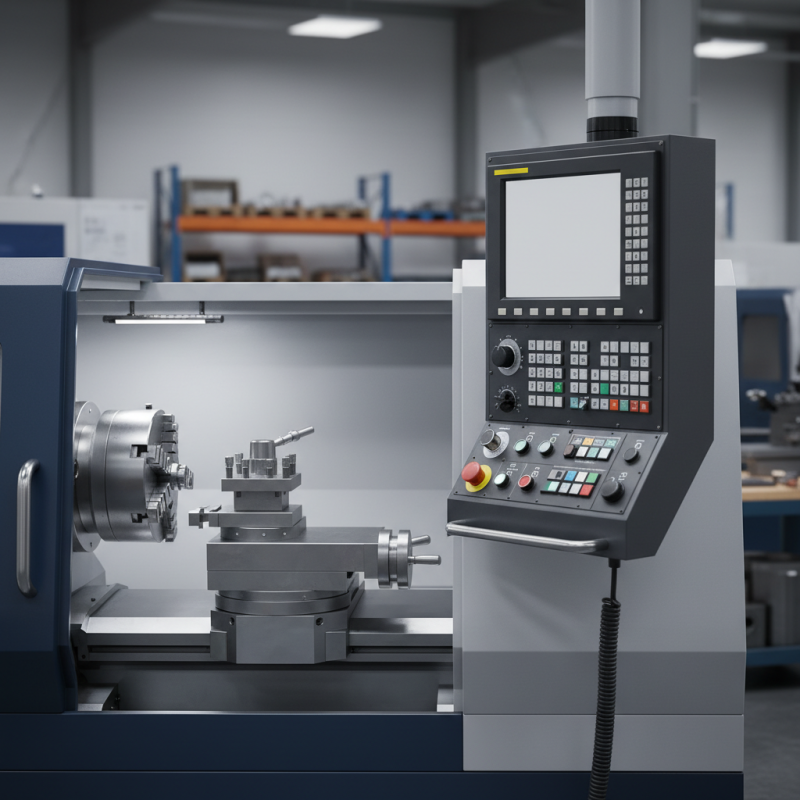
Another important aspect is the control system. A user-friendly interface can reduce training time and errors. A CNC lathe with advanced controls can improve operational efficiency significantly. However, over-complicated systems might intimidate less experienced operators, leading to frustration. The balance between technology and usability should be carefully assessed.
Material compatibility is crucial. Not all lathes can handle tough materials like titanium or hardened steel. According to industry data, about 30% of users face issues with material limitations. Ensuring that your lathe can work with your desired materials is fundamental for consistent quality. Also, think about the future. Will your production needs change? Will the machine be able to adapt? Reflecting on these questions aids in making a more informed decision.
Evaluating Machine Specifications and Capabilities
When selecting a CNC lathe machine, understanding machine specifications and capabilities is crucial. Each lathe has unique characteristics that impact performance. For example, consider the spindle speed. High RPMs are great for turning small, precise parts. However, too high can lead to overheating, especially on metal.
Another essential factor is the bed length. A longer bed allows for larger workpieces, but these machines may take up more space. What if your shop cannot accommodate that? Then, focus on machines that fit your workspace. Take careful notes on these dimensions.
Don't overlook control systems. A user-friendly interface can save time and reduce errors. But, complex controls might add to the learning curve. Moreover, the machine's tooling capacity is another key point. Some lathes can hold more tools, allowing quicker changes. However, if maintenance is challenging, those capabilities are moot. Balancing all these considerations can feel overwhelming, but it’s essential for making an informed choice.
Essential Tips for Choosing a Cnc Lathe Machine for Your Needs
| Specification | Description | Importance |
| Spindle Speed | The maximum speed at which the spindle can rotate, typically measured in RPM. | High spindle speeds can enhance productivity and allow for finer finishes. |
| Swing Over Bed | The maximum diameter of the workpiece that can be turned on the lathe. | Determines the size of the parts you can work with. |
| Tailstock Travel | The distance the tailstock can move along the bed of the lathe. | Increases flexibility for different operations. |
| Cutting Tools Compatibility | Types of tools that can be utilized with the lathe. | Ensures that you can use the tools required for your projects. |
| Control System | Type of control software used for machine operation. | A good control system facilitates ease of use and precision. |
| Power Consumption | The electrical power required for operation. | Affords cost efficiency in the long run. |
Assessing Budget and Cost-Effectiveness
When selecting a CNC lathe machine, assessing your budget and its cost-effectiveness is crucial. Machines can vary significantly in price. It's essential to determine what features you truly need. Sometimes, spending less can lead to higher costs later. For instance, a cheaper option may lack durability. You may end up replacing it sooner than expected.
One tip is to prioritize features that align with your specific projects. Avoid being swayed by flashy options that you might never use. Focus on what serves your actual needs. This is more efficient than just picking high-priced machines without clear benefits.
Consider the total cost of ownership. This includes maintenance and operational costs. You may find a mid-range model saves money in the long run. Think about the learning curve as well. A more complex machine might require additional training, adding to costs. Always reflect on the value a machine brings to your workflow. Every decision should stem from practicality.
Identifying Support and Maintenance Options for CNC Lathes
When choosing a CNC lathe machine, support and maintenance options play a crucial role. You need reliable support to address any issues. Check if the supplier offers training. This will help your operators understand the machine better. A user manual should also be comprehensive, covering troubleshooting steps.
Maintenance services must be clear and accessible. Understand what type of maintenance is offered—preventive or corrective. Regular preventive maintenance can reduce downtime. Confirm if there are local technicians available for quick repairs. Sometimes, waiting for parts can lead to costly delays. It's essential to know how to reach support quickly when needed.
Lastly, consider user reviews about support services. They can offer insights into the responsiveness and quality of service. A machine may have great specs, but poor support could lead to frustration. Reflect on these aspects before finalizing your choice.