Top 10 Elastic Nonwoven Fabric Suppliers Worldwide
Elastic Nonwoven Fabric is moving from a specialist material into everyday products, including diapers, medical garments, filtration layers, and stretchable hygiene components. Its value comes from controlled elasticity, soft hand feel, low weight, and scalable production. Yet performance can change sharply with fiber blend, bonding method, and recovery testing.
Smithers’ report, The Future of Global Nonwovens to 2028, places the worldwide nonwovens market among the fastest-growing technical textile sectors. Grand View Research also projects strong market expansion through 2030, supported by healthcare, hygiene, automotive, and construction demand. These reports usually measure nonwovens as a broad category. They do not isolate Elastic Nonwoven Fabric consistently. That limitation matters.
As INDA president emeritus Dave Rousse has said, “Nonwovens are a vital part of everyday life.” The statement sounds simple, but it explains the market’s reach. A stretchable fabric may sit unnoticed inside a waistband, wound dressing, or absorbent core. Small differences become visible during repeated movement.
This guide examines ten leading Elastic Nonwoven Fabric suppliers worldwide. It considers production scale, technical development, certifications, geographic coverage, and application expertise. Supplier rankings remain imperfect. Public information varies between companies, and some performance data is confidential. Readers should therefore compare actual elongation, recovery, basis weight, softness, and testing methods before making a purchasing decision. Industry reputation helps. Verified samples matter more.
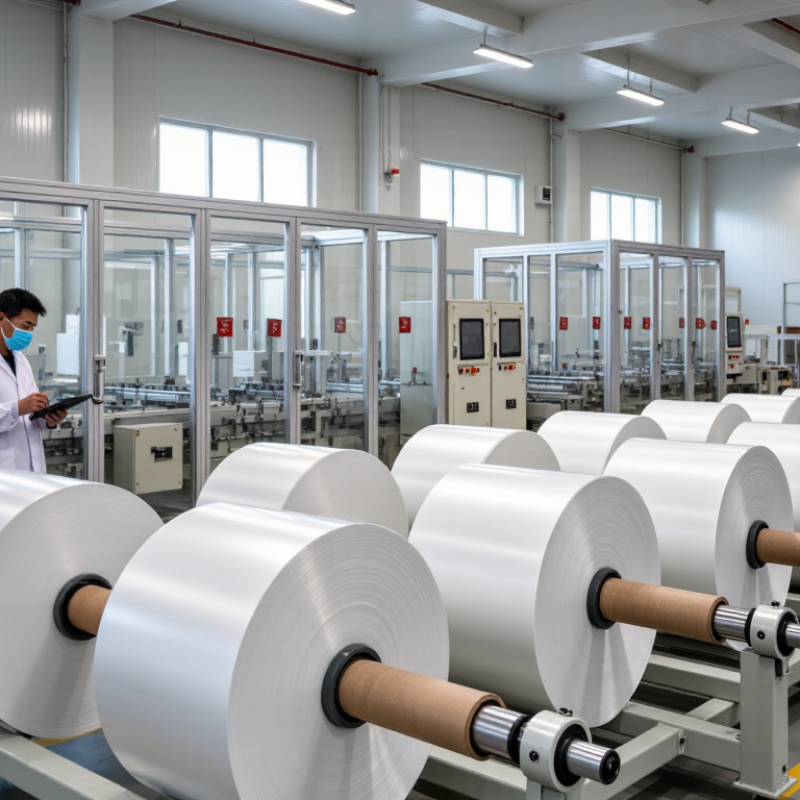
What Elastic Nonwoven Fabric Is and Where It Is Used
Elastic nonwoven fabric is a web of fibers engineered to stretch and recover. It may combine elastic filaments with spunbond, meltblown, or other bonded layers. Unlike ordinary nonwovens, it follows body movement while maintaining softness and dimensional stability. The boundary is not always clean. Some stretch laminates are marketed as elastic nonwovens, although their elastic layer carries most of the recovery.
Its main uses are practical. In baby diapers, it forms soft waistbands and side panels. In adult care products, it improves fit around the legs. Medical garments, flexible tapes, wound-care components, and selected apparel parts also use it. A 2024 Grand View Research report valued the global nonwoven fabrics market at approximately 53 billion US dollars in 2023. It forecasts continued growth through 2030, supported by hygiene and healthcare demand. Smithers’ global nonwovens outlook also identifies hygiene as a major consumption area.
Supplier performance depends on more than price. Buyers should verify stretch percentage, recovery after repeated extension, basis weight, air permeability, skin-contact safety, and roll consistency. Test data should state temperature, humidity, extension rate, and recovery time. Without those details, comparisons can mislead. A 2023 EDANA market overview shows hygiene remains central to European nonwoven demand, but regional standards and testing practices differ. That makes a worldwide top-ten list useful only when suppliers are judged by application, not reputation alone. Further testing is still necessary.
Top 10 Elastic Nonwoven Fabric Suppliers Worldwide
What Elastic Nonwoven Fabric Is and Where It Is Used
Elastic nonwoven fabric is a fiber web engineered to stretch and recover without conventional weaving or knitting. The chart shows representative elongation-at-break ranges commonly associated with major elastic nonwoven constructions used in hygiene products, medical materials, apparel, packaging, and industrial applications. Actual performance varies by polymer, basis weight, bonding method, laminate design, and test conditions.
How the Top Global Suppliers Are Identified and Compared
A credible Top 10 ranking of elastic nonwoven fabric suppliers begins with evidence, not reputation. The comparison should examine product consistency, production capacity, delivery records, and technical support. Factory audits can reveal details that brochures omit, such as uneven roll edges, weak packaging, or limited inspection space. Small details matter.
Material performance needs controlled testing. Buyers should compare elongation, recovery, tensile strength, softness, breathability, and dimensional stability. Test samples should come from different production batches, not one carefully selected roll. Independent laboratory results add authority, while in-house testing confirms daily usability. Suppliers should also provide clear fiber composition, lot tracking, and documented quality procedures.
Commercial reliability deserves equal attention. Compare minimum order quantities, sample speed, lead-time accuracy, customization limits, and communication during production changes. Responsible suppliers explain production risks instead of promising perfect results. Sustainability claims require supporting records, including recycled content evidence, process controls, and relevant certifications. The final ranking can use weighted scores, but the weights should match the buyer’s application. Medical, hygiene, apparel, and filtration products do not share identical priorities. No ranking is completely objective. Test methods vary, factory conditions change, and pricing can shift quickly. A transparent scoring sheet makes those weaknesses visible.
Key Differences in Materials, Technology, Capacity, and Certification
Top 10 Elastic Nonwoven Fabric Suppliers Worldwide
Key Differences in Materials, Technology, Capacity, and Certification
Comparing the top 10 elastic nonwoven fabric suppliers requires more than checking price lists. Material selection affects stretch, recovery, softness, breathability, and skin contact. Common options include elastic polypropylene blends, polyester-based structures, elastane composites, and bio-based fibers. Each performs differently under heat, moisture, and repeated movement. A technical data sheet should show basis weight, tensile strength, elongation, and recovery after stretching.
Technology creates another clear gap. Some factories use spunbond lines with elastic additives, while others combine bicomponent fibers or mechanical necking systems. Advanced lines can control thickness across wide rolls. This reduces weak edges and uneven stretch. Ask for production samples from the same machine used for mass orders. Laboratory results alone can mislead.
Capacity matters when monthly demand rises. Review line width, daily output, minimum order quantity, roll diameter, and lot-to-lot consistency. A supplier may quote high capacity but reserve limited production windows. That detail is easy to miss. Certification also needs careful checking. ISO 9001 supports quality management, while OEKO-TEX, GRS, or FSC-related claims depend on scope and validity. Request current certificates, testing laboratories, and traceability records. A certificate is not proof of every product. I have seen documents that covered one facility but not the supplied material. Independent testing remains sensible, especially for odor, restricted substances, and elastic recovery. Suppliers should explain failed tests openly, not hide behind polished brochures.
How to Choose the Right Elastic Nonwoven Fabric Supplier
Choosing among the top 10 elastic nonwoven fabric suppliers requires more than comparing prices. Start with the fabric’s intended use, such as waistbands, medical supports, hygiene products, or protective packaging. Check fiber composition, elasticity, recovery, thickness, softness, and width tolerance. A reliable supplier should provide clear technical data, recent test reports, and traceability for every production lot. Ask how the material performs after repeated stretching, washing, heat exposure, or adhesive contact.
Request physical samples, not only catalog photos. Measure elongation and recovery with the same conditions used in your factory. Small differences can affect cutting accuracy and product comfort. During trials, inspect the roll edges, surface uniformity, odor, and winding tension. Confirm minimum order quantities, standard lead times, storage requirements, and replacement procedures for defective goods. Suppliers with documented quality systems usually respond more consistently, but paperwork alone is not proof of performance.
Communication also matters. Ask whether technical staff can explain test methods and adjust production parameters when results change. No supplier is perfect. A practical lesson is to test several lots before approving regular supply, because one excellent sample may hide unstable production. Discuss packaging details, moisture protection, labeling, and shipment inspection records. Choose the supplier that offers measurable quality, honest limitations, and dependable support rather than the lowest quotation.