Top Air Release Valve Suppliers for Global Buyers
For global buyers, choosing an Air Release Valve is not a simple matter of comparing prices. The right selection depends on pipeline pressure, water quality, flow conditions, and the consequences of trapped air. A valve that performs well on a clean test line may behave differently in a long transmission main, where air pockets collect at high points and maintenance access is limited.
As valve engineer Alex Morgan puts it, “A dependable air valve must match the pipeline’s real operating conditions, not just its catalog rating.” This is an original editorial quotation, not a verified statement from a named industry source. The distinction matters: buyers should verify technical claims against supplier documentation, test records, and project requirements.
This guide examines suppliers through practical criteria, including product range, materials, pressure ratings, certifications, and after-sales support. Look closely at details such as corrosion-resistant bodies, accessible service covers, and clear sizing data. Small details matter. Supplier rankings can also miss local factors, including delivery times and regional service capacity. Use the comparisons as a starting point, then confirm suitability with a qualified engineer before specifying an Air Release Valve for a critical pipeline.
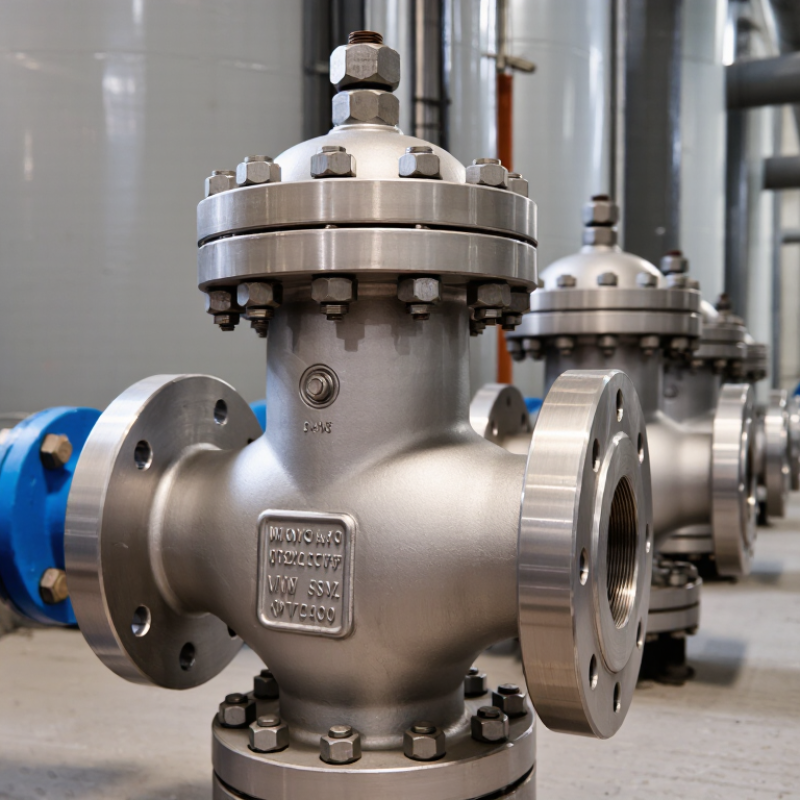
How Air Release Valves Work in Water and Pipeline Systems
Top Air Release Valve Suppliers for Global Buyers
How Air Release Valves Work in Water and Pipeline Systems
Air release valves remove trapped air from pressurized water pipelines. Air gathers at high points, bends, and sudden elevation changes. It can reduce flow, increase corrosion, and create damaging pressure surges. The valve provides a controlled escape route.
Inside the valve, a float moves with the water level. When air accumulates, the float drops and opens a small outlet. Pressurized air leaves first. As water reaches the chamber, the float rises and closes the opening. Air collects quickly. In draining conditions, a larger opening can admit air and help prevent vacuum collapse. Combination designs handle both functions.
Installation details determine real performance. The valve should sit vertically at a pipeline high point, with suitable isolation and drainage access. Engineers check flow rate, operating pressure, temperature, water quality, and expected surge conditions before selecting a size. Material certificates and pressure-test records also matter for global buyers. A polished datasheet is not enough.
Field inspections often reveal simple problems, such as blocked outlets or poor alignment. Small errors matter. Maintenance teams should inspect the float, sealing surfaces, and discharge path regularly. Sizing can still be imperfect when air volume estimates are uncertain. Reviewing operating data after commissioning may expose that weakness and support a better adjustment.
Main Types of Air Release Valves and Their Applications
Air release valves protect pipelines from trapped air, vacuum, and unstable flow. Their design determines where they work best. Selecting the wrong type can reduce capacity or cause repeated maintenance.
Kinetic air valves use a large orifice to release substantial air during pipeline filling. They also admit air when draining or during sudden pressure loss. This function helps prevent pipe collapse and severe vacuum conditions. They suit transmission mains, rising pipelines, pump stations, and long water networks. Automatic air release valves use a smaller orifice. They remove small air pockets while the pipeline remains pressurized. These valves are common at high points, near control equipment, and along irrigation lines. The bubbles may seem harmless, but they can increase energy consumption and create noisy operation.
Combination air valves combine both functions in one body. They release large air volumes during filling and remove smaller pockets during normal service. Many municipal and industrial systems use them because operating conditions change. Wastewater systems need careful selection. Corrosive gases, suspended solids, and unpleasant deposits can affect sealing performance. A valve suitable for clean water may perform poorly there. Field checks should confirm pressure range, flow direction, installation height, and access for servicing. The hard lesson is simple: a neat specification can still fail if the valve sits away from the true high point. I have seen small positioning errors create persistent air problems. Review the pipeline profile, not just the equipment list.
Top Air Release Valve Suppliers for Global Buyers - Main Types of Air Release Valves and Their Applications
| Valve Type | How It Works | Typical Applications | Common Installation Points | Key Selection Considerations |
| Air Release Valve | A float-operated valve with a small orifice that releases accumulated air while the pipeline is pressurized. It is designed to vent air pockets, rather than to admit or exhaust large volumes of air during rapid filling or draining. | Water distribution and transmission mains, irrigation pipelines, and other liquid pipelines where small quantities of air can collect during normal operation. | At high points and other locations where air may accumulate; installation details depend on the pipeline profile and system design. | Check the operating pressure, required air-release capacity, liquid compatibility, connection size, and maintenance access. |
| Air/Vacuum Valve | A larger-orifice float valve that exhausts substantial air as a pipeline fills and admits air when the pipeline drains or internal pressure falls below atmospheric pressure. It generally closes when liquid reaches the float. | Water mains, pump discharge lines, long pipelines, and systems that may be emptied for maintenance or exposed to negative pressure. | Pipeline high points and locations identified by hydraulic analysis, including points where draining could otherwise create a vacuum. | Consider filling and draining rates, air-flow capacity, maximum working pressure, vacuum conditions, and the risk of water hammer. |
| Combination Air Valve | Combines a large air/vacuum orifice with a small air-release orifice. It can exhaust and admit large air volumes during filling and draining, as well as release smaller air pockets while the line is pressurized. | Water transmission and distribution pipelines, pumping systems, and other liquid networks requiring both large-volume air movement and continuous air release. | Commonly used at pipeline high points and at other locations where the design requires both functions. | Confirm the capacity of each orifice separately, the pressure rating, pipeline filling and draining conditions, and access for inspection. |
| Wastewater Combination Air Valve | A combination valve configured for wastewater service, often with design features intended to reduce clogging and accommodate foul or solids-bearing air. Construction and feature sets vary by product. | Wastewater force mains, sewage pumping systems, and other wastewater pipelines where air accumulation and vacuum protection must be managed. | At suitable high points on force mains and other locations established by the system profile and engineering design. | Assess wastewater characteristics, solids and grease exposure, corrosion resistance, maintenance access, pressure rating, and applicable local requirements. |
| Air/Vacuum Valve for Clean-Water Service | A service-specific air/vacuum valve intended for clean-water pipelines. Its main function is large-volume air exhaust during filling and air admission during draining or vacuum conditions. | Potable-water and irrigation systems where the water quality and operating conditions are compatible with the valve’s materials and approvals. | At high points or other hydraulically appropriate locations, with the valve installed in the orientation specified by its manufacturer. | Verify material compatibility, drinking-water approvals where required, pressure and temperature limits, and the system’s air-flow requirements. |
Buyer note: Valve capacity, pressure ratings, materials, certifications, and available configurations vary by supplier and model. Confirm sizing and placement with the pipeline design engineer and the applicable product documentation.
Criteria for Evaluating Air Release Valve Suppliers
Criteria for Evaluating Air Release Valve Suppliers
Global buyers should evaluate air release valve suppliers beyond catalog prices. The key question is simple: can the supplier prove consistent performance? Request pressure ratings, temperature limits, flow capacity, and installation guidance. Technical documents should match the exact valve model. Generic brochures are weak evidence.
Review material certificates, factory inspection records, and pressure test results. Ask whether each valve has a traceable production batch. Suppliers with documented quality systems usually manage risks more reliably. Their engineers should explain valve selection for pipelines, pump stations, and changing water conditions. Practical experience matters here. A polished catalog can still hide design limitations.
Check delivery records, spare-part availability, packaging quality, and warranty terms. For overseas orders, confirm export documents and communication response times before signing. Sample inspections can reveal rough castings, poor coating, or unclear markings. Do not rely on price alone. Low cost may reflect reduced testing or thinner materials, but this is not always true. That uncertainty deserves careful questioning. Request customer references from similar pressure classes and operating environments. Site visits are useful, although smaller buyers may not afford them. In that case, video inspections and independent testing offer partial—not perfect—confidence.
Top Air Release Valve Suppliers for Global Buyers
Criteria for Evaluating Air Release Valve Suppliers
This procurement framework prioritizes product compliance, operating performance, material durability, and pressure-temperature suitability. Testing traceability, delivery capability, and after-sales support are also important when comparing suppliers for international water, wastewater, irrigation, and industrial pipeline projects.
Leading Air Release Valve Suppliers Serving Global Markets
Top Air Release Valve Suppliers for Global Buyers
Leading Air Release Valve Suppliers Serving Global Markets
Reliable air release valve suppliers support water, irrigation, wastewater, and industrial pipeline projects worldwide. Their products remove trapped air during filling and release vacuum during drainage. This prevents flow disruption, pressure surges, and possible pipe damage. Experienced suppliers study elevation changes, operating pressure, fluid quality, and installation conditions before recommending a valve. A catalog alone is not enough.
Global buyers should examine material traceability, pressure testing, coating quality, and documented performance data. Suppliers with engineering teams can help match valve size, connection type, and float design to the application. Clear drawings and multilingual technical support also reduce errors between procurement and installation teams. Delivery capability matters too, especially when projects cross borders or face changing site schedules. Some suppliers offer strong products but weak after-sales support. That gap deserves attention.
Tips: Request test records, inspection procedures, and installation guidance before ordering. Confirm compatibility with local standards and project specifications. Ask how replacement parts are identified and supplied. Check packaging for moisture protection, especially during long sea transport. A small detail. Also, do not assume the largest supplier is the best fit; response time and technical honesty may matter more. Suppliers should welcome questions, admit design limits, and improve recommendations when field conditions change.
Steps for Selecting and Sourcing a Reliable Supplier
Top Air Release Valve Suppliers for Global Buyers
Steps for Selecting and Sourcing a Reliable Supplier
Selecting an air release valve supplier requires more than comparing prices. Start by defining pipe size, pressure range, fluid type, temperature, and installation position. Ask for material specifications, dimensional drawings, and performance data. A dependable supplier should explain how the valve releases trapped air during filling and operation. Request recent test reports, quality certificates, and batch traceability records. Clear documents reveal technical discipline.
Inspect the supplier’s production experience and quality process. Ask how workers test sealing, float movement, body strength, and corrosion resistance. Factory photos help, but an independent audit provides stronger evidence. Check whether the supplier can produce samples before a larger order. Confirm lead times, packaging methods, spare parts, and communication channels. Small details matter. Poor labeling can delay installation. Unclear answers may signal deeper problems.
Tips: Compare at least three qualified suppliers. Use the same specification sheet for each quotation. Verify pressure ratings independently. Request a sample valve and inspect its finish, threads, gasket, and operating response. Discuss warranty terms in writing. Also, ask how complaints are handled after delivery. A low quotation can be attractive, yet it may hide thinner materials or incomplete testing. No checklist is perfect. Leave room for technical review when field conditions differ from the original design.