Top 10 Reflective Safety Vest Features Buyers Need to Know
When it comes to workplace safety, a Reflective Safety Vest is essential. These vests provide visibility in low-light conditions, protecting workers across various industries. Understanding the key features of these vests can greatly influence your purchasing decision.
Reflective Safety Vests vary in design, fabric, and functionality. Some vests are lightweight, while others offer durability for rugged environments. Choosing the wrong vest can lead to safety risks, which is why knowing the best features is crucial. For example, adjustable sizing makes a significant difference in comfort and effectiveness.
Buyers should also consider the vest's reflectivity level and material quality. Not all reflective materials are created equal, and subpar options may fade or wear over time. A well-made Reflective Safety Vest becomes a valuable investment, enhancing safety for everyone involved. Knowledge of these features ensures you make a choice that truly prioritizes safety.
Essential Characteristics of Reflective Safety Vests for Optimal Visibility
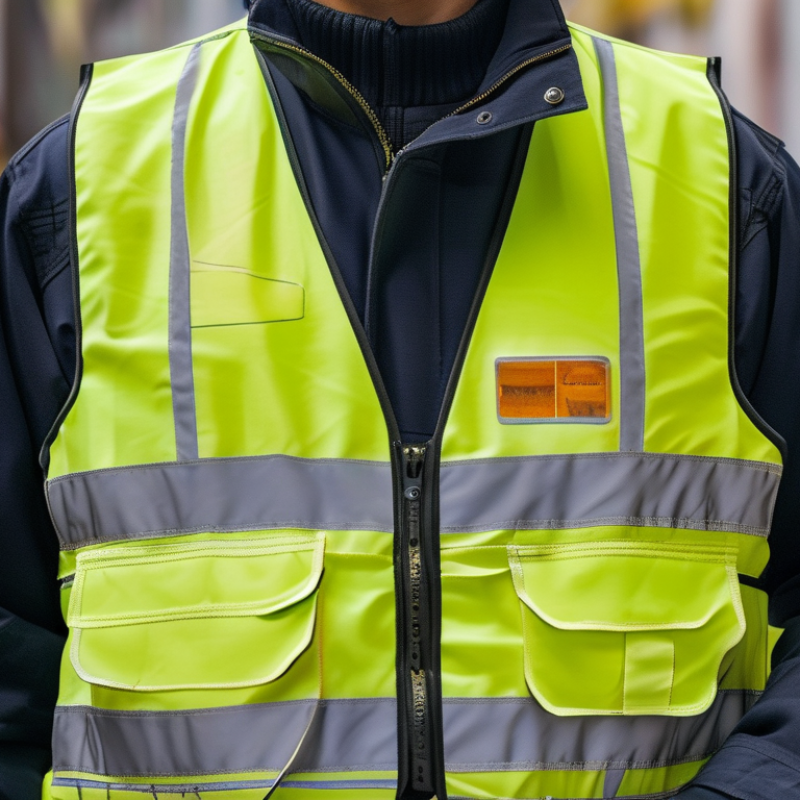
When choosing reflective safety vests, visibility is paramount. This feature ensures that workers can be seen from a distance, reducing the risk of accidents. Vests with high-visibility colors like neon yellow or orange are ideal. Reflective strips strategically placed on the vest enhance visibility, especially in low-light conditions.
Tips: Look for vests with at least 2-inch wide reflective stripes. This size ensures better visibility during nighttime. Also, check for certification marks that confirm safety standards are met.
Comfort is another essential aspect. A vest should not restrict movement, allowing for easy wear during long hours. Materials that are lightweight and breathable will help workers stay comfortable. Think about pockets too; they provide convenient storage for essentials while on-the-job.
Tips: Choose vests with adjustable features. These allow for a better fit, accommodating various body types. An ill-fitting vest can be a distraction, proving to be unsafe in high-risk environments. Regularly inspect your vest for wear and tear, as compromised materials can affect visibility.
Top 10 Reflective Safety Vest Features Buyers Need to Know
| Feature | Description | Importance |
| Material Quality | Durable and breathable materials ensure comfort and longevity. | High - affects comfort and wearability during long hours. |
| Reflective Strips | High visibility reflective strips for enhanced visibility at night. | Critical - directly impacts safety in low-light conditions. |
| Fit and Adjustability | Adjustable straps or sizes for a better fit. | High - a better fit increases comfort and safety. |
| Color Options | Bright colors for increased visibility in daylight. | Medium - affects visibility during daytime conditions. |
| Pockets | Functional pockets for tools and personal items. | Medium - adds utility for various work environments. |
| Comfort Features | Features like moisture-wicking fabric and ventilation. | High - increases wearability in different environments. |
| Compliance Standards | Meets safety regulations for reflective gear. | Critical - ensures legal and occupational safety compliance. |
| Lightweight Design | Lightweight materials for ease of movement. | Medium - important for jobs requiring mobility. |
| Water-Resistant | Materials that resist water for outdoor use. | Medium - adds functionality in rain or wet conditions. |
| Breathability | Design that allows airflow to keep the wearer cool. | High - essential for comfort in hot working conditions. |
Types of Reflective Materials Used in Safety Vests: A Comparison Guide
Reflective safety vests are essential in various work environments. The materials used in these vests greatly impact their effectiveness. Two primary types of reflective materials dominate the market: glass bead and prism technology. Each serves a unique purpose in visibility and durability.
Glass bead retroreflective material reflects light from vehicle headlights. It is widely used due to its cost-effectiveness. However, its performance can degrade over time, particularly with repeated washing. According to a report by the Occupational Safety and Health Administration (OSHA), 45% of construction workers experienced near-misses due to inadequate visibility. Thus, the longevity of glass bead vests must be reconsidered.
On the other hand, prism material offers improved visibility in low-light conditions. It reflects more light and maintains brightness even when worn frequently. Though pricier, studies from the National Institute for Occupational Safety and Health (NIOSH) highlight the importance of investing in higher-quality materials. This investment can significantly reduce workplace accidents. Therefore, understanding the characteristics of reflective materials is crucial for making informed purchasing decisions.
Regulatory Standards and Compliance for Reflective Safety Vests
When it comes to reflective safety vests, understanding regulatory standards is vital. These vests must meet specific criteria for visibility and durability. Many standards, such as ANSI/ISEA 107 in the United States, outline the minimum retroreflectivity and fluorescent colors for daytime use. Compliance with these regulations ensures that workers are represented as visible and safe in various work conditions.
Tips: Always check for labels. Look for vests that comply with local safety requirements. It's essential to understand the environment where the vest will be used. Safety vests worn in low-light areas require enhanced reflectivity.
Moreover, some industrial settings may have additional requirements. For instance, construction sites may mandate Class 2 or Class 3 vests due to the high risks involved. Understanding the levels of visibility needed can guide your purchasing decisions. Reflect on your work environment and ensure your vest meets necessary regulations.
Tips: Don’t overlook comfort. A vest that doesn't fit well may hinder safety. Consider breathable materials for hot weather. Also, inspect the stitching quality; poor construction can compromise the vest's effectiveness.
Top 10 Reflective Safety Vest Features
Fit and Comfort Factors to Consider When Choosing Safety Vests
When choosing a safety vest, fit and comfort are crucial. A well-fitted vest enhances mobility and reduces distractions during work. It should not be too loose, as this can cause chafing. Equally, a tight vest restricts movement, making it difficult to perform tasks efficiently. Adjustable straps can provide a more personalized fit, catering to different body shapes.
Consider the type of fabric used. Breathable materials are essential for comfort, especially in warmer conditions. Heavy fabrics may offer durability but can lead to overheating. Look for vests with moisture-wicking properties. This feature helps to keep you dry and comfortable. Additionally, the weight of the vest matters. A lighter vest can reduce fatigue on long workdays, but it shouldn’t compromise safety features.
Reflective strips are important, but they must be placed correctly. Strips should not interfere with pockets or other functional aspects of the vest. Remember, visibility is key in many work environments. While comfort is vital, the vest must also meet safety standards. This balance is sometimes hard to achieve, requiring careful consideration. Testing different options can reveal surprising insights into what truly works for you.
Additional Features that Enhance Functionality of Reflective Vests
When selecting reflective safety vests, it's crucial to understand their additional features. Beyond basic visibility, these vests can offer diverse functionalities. Some come with pockets for tools or personal items. This feature enhances convenience, allowing users to keep essential items within reach while working in low-light environments.
Breathable materials are another great addition. These fabrics allow air circulation, preventing overheating during extended wear. Users often overlook this aspect, leading to discomfort in demanding conditions. Moreover, adjustable straps can improve fit, making the vest more secure and effective in various working positions. It's vital to consider these details thoroughly before making a purchase.
Another essential feature to note is reflective trim. High-quality vests include reflective strips not just on the front, but also around the shoulders and back. This increases visibility from multiple angles, improving safety significantly. While some vests may compromise on this element, a vest with comprehensive reflective coverage can provide peace of mind in hazardous environments.
Comfort, functionality, and visibility should always be top priorities when assessing reflective safety vests.