How to Use Talcum Powder Safely for Your Skin?
talcum powder has been a popular choice for skincare for many years. Its silky texture can help keep skin dry and reduce friction. However, using talcum powder safely is crucial. Some people have concerns about its application, especially regarding inhalation and skin irritation.
When applying talcum powder, choose areas that need moisture control. For instance, underarms and thighs are common spots. But be cautious—not all powders are created equal. Contaminants can be hidden within the product. Read labels carefully to ensure safety.
Using talcum powder involves a balance. It can feel refreshing, yet some might experience sensitivity. Always test a small amount first. Remember, everyone's skin reacts differently. It's a tool, but not without potential pitfalls. A careful approach will ensure you benefit from its positive aspects while minimizing risks.
Understanding Talcum Powder and Its Uses for Skin
Talcum powder has been a household staple for many years. It is widely used for its absorbent properties. Generally, it helps to keep skin dry and reduce friction. For those with oily skin, it can be a real lifesaver. However, it's essential to understand its composition before use.
When applying talcum powder, use sparingly. Too much can lead to a chalky appearance on the skin. It is often applied in areas prone to moisture, like underarms and thighs. For some, it might cause irritation. Everyone's skin reacts differently. Conduct a patch test to check for sensitivity.
While many enjoy the fresh scent, be cautious of inhalation. Using it in a bathroom can lead to particles in the air. This isn’t always safe, especially for children. Focus on keeping the product away from the face. Talcum powder has its benefits, but reflection on personal use is key.
Safety Precautions When Using Talcum Powder
Talcum powder has long been a staple in many households. Yet, safety precautions are vital when using it on the skin. Reports indicate that talc can occasionally contain asbestos, a known carcinogen. The American Cancer Society states this connection is significant, primarily when used in feminine hygiene products. Checking labels for purity is essential.
When using talcum powder, apply it sparingly. Excessive use can lead to skin irritation and other health issues. For instance, studies show that prolonged exposure can result in rashes or respiratory problems. If the powder gets into your lungs, it can cause serious complications. Individuals with sensitive skin should consider alternative options.
A patch test can help gauge skin sensitivity before widespread use. Dusting it lightly on areas prone to moisture can be beneficial. However, avoid inhaling the powder during application. This is a common misstep that could lead to respiratory distress. Staying informed and exercising caution is key to safe use.
Choosing the Right Talcum Powder for Your Skin Type
Choosing the right talcum powder for your skin type is crucial. If you have sensitive skin, look for talc-free options. These can help reduce the risk of irritation. For oily skin, a powder with absorbent properties might be best. This will keep your skin dry and fresh throughout the day.
Tips: Always check the label. Some powders contain fragrances or other additives that might cause reactions. If you experience any discomfort, stop using it immediately.
For dry skin, select a talcum powder that includes moisturizing ingredients. This can help prevent a chalky appearance. Remember, not every product works for all skin types. Testing a small amount on your skin can help determine compatibility.
Tips: Conduct a patch test before fully applying a new powder. It’s a good practice to follow. Observe how your skin reacts over a few days. This approach can save you from future issues.
How to Use Talcum Powder Safely for Your Skin?
This chart illustrates the recommended types of talcum powder based on different skin types and their moisture levels. The categories include 'Oily Skin', 'Dry Skin', 'Sensitive Skin', and 'Combination Skin'. Each type of skin has a unique recommended talcum powder composition to ensure safety and effectiveness.
Proper Application Techniques for Talcum Powder
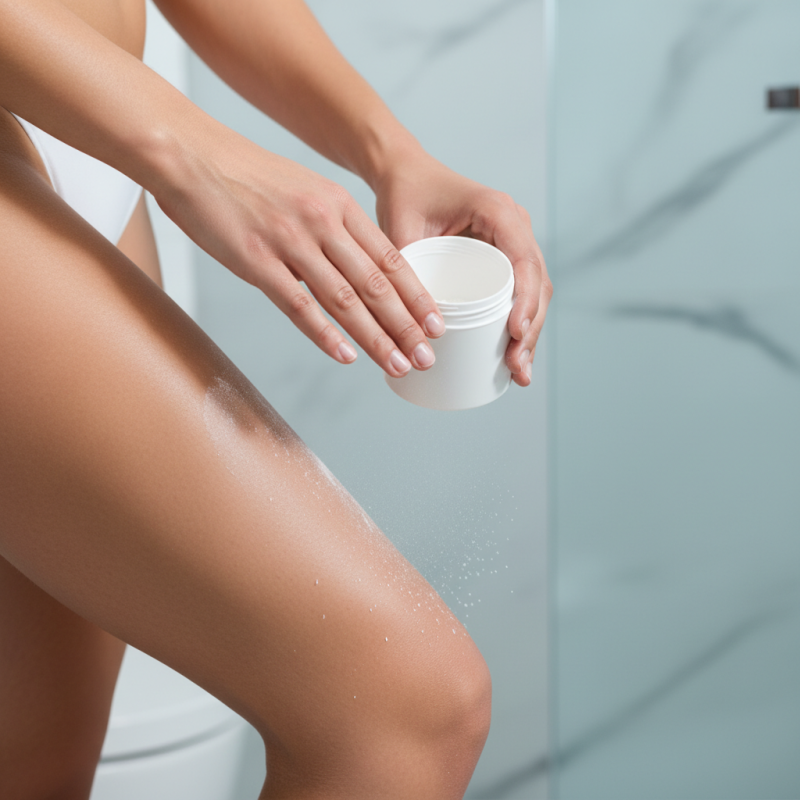
When using talcum powder, application techniques matter. Start with clean, dry skin. Ensure the area is free from moisture to prevent clumping. Sprinkle a small amount of powder in your hands first. This helps control the amount you use. Avoid pouring directly from the container; too much can lead to waste and mess.
Lightly dust the powder onto your skin. Use gentle, sweeping motions to spread it evenly. Focus on areas prone to moisture, such as underarms and thighs. Don't overdo it. A thin layer is usually sufficient. Some people find it easy to use too much, which can lead to irritation. If you feel discomfort, consider reducing the amount used.
Remember, using talcum powder isn't without risks. Some have sensitivities to it. Pay attention to how your skin reacts. It may not work for everyone, and that's okay. Always prioritize your skin's health over a desire for dryness or comfort. If something feels off, it’s fine to rethink your approach.
Potential Risks and Side Effects of Talcum Powder Use
Talcum powder is often used for its soothing properties. However, potential risks arise from its use, particularly concerning skin health. Studies indicate that prolonged exposure may lead to skin irritation. This is especially true for those with sensitive skin.
Dermatologists warn about the possibility of talc containing asbestos, a known carcinogen. Research from the American Cancer Society suggests a potential link between talcum powder and ovarian cancer. Users should be cautious, especially when applying the powder in the genital area.
Tip: Always choose talcum powder that is labeled as asbestos-free. Check labels carefully, and consider alternatives. Natural cornstarch powders can be gentler on the skin.
Additionally, some people may experience allergic reactions. Symptoms can include rashes, itching, or redness. If these occur, discontinue use immediately. Taking a moment to reflect on how your skin reacts to products is essential.
Tip: Conduct a patch test before using a new product extensively. Apply a small amount to a discreet area. Monitor for any adverse reactions over 24 hours.